

 中文简体
 English
 Deutsch
 русский
 Español

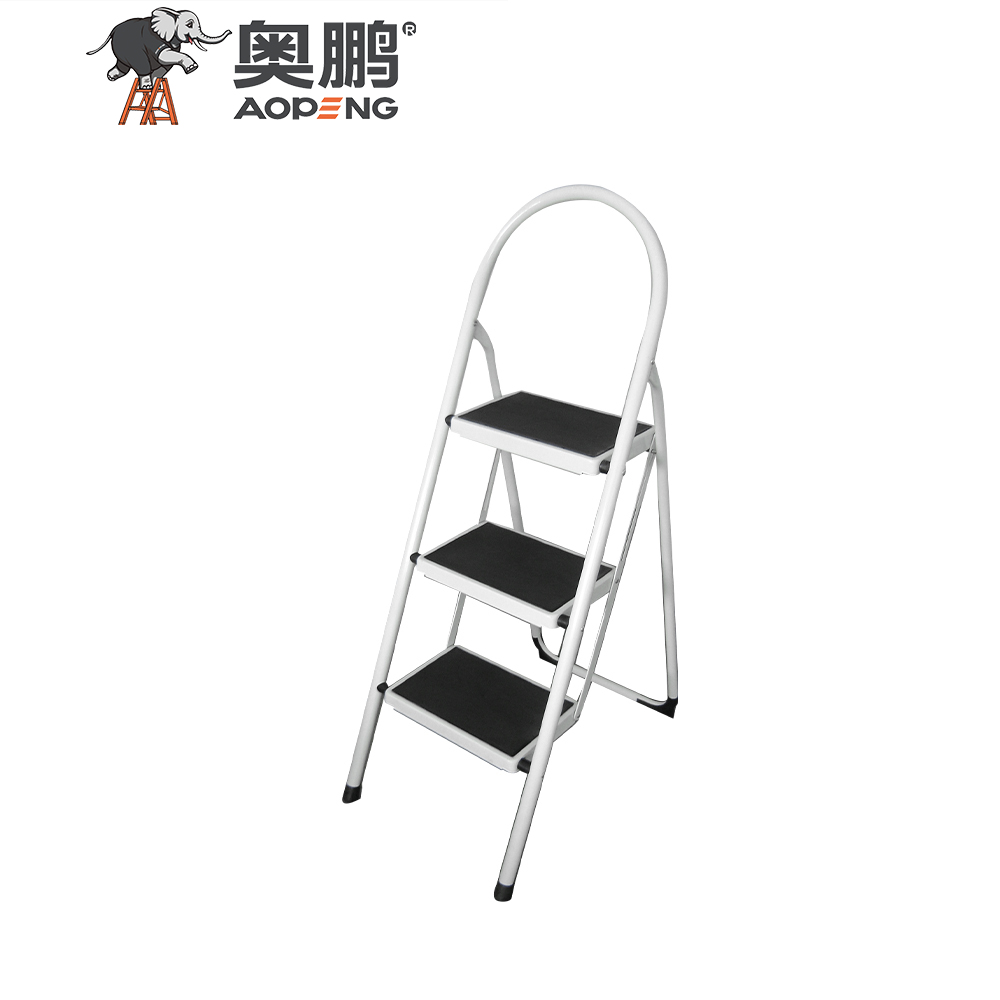
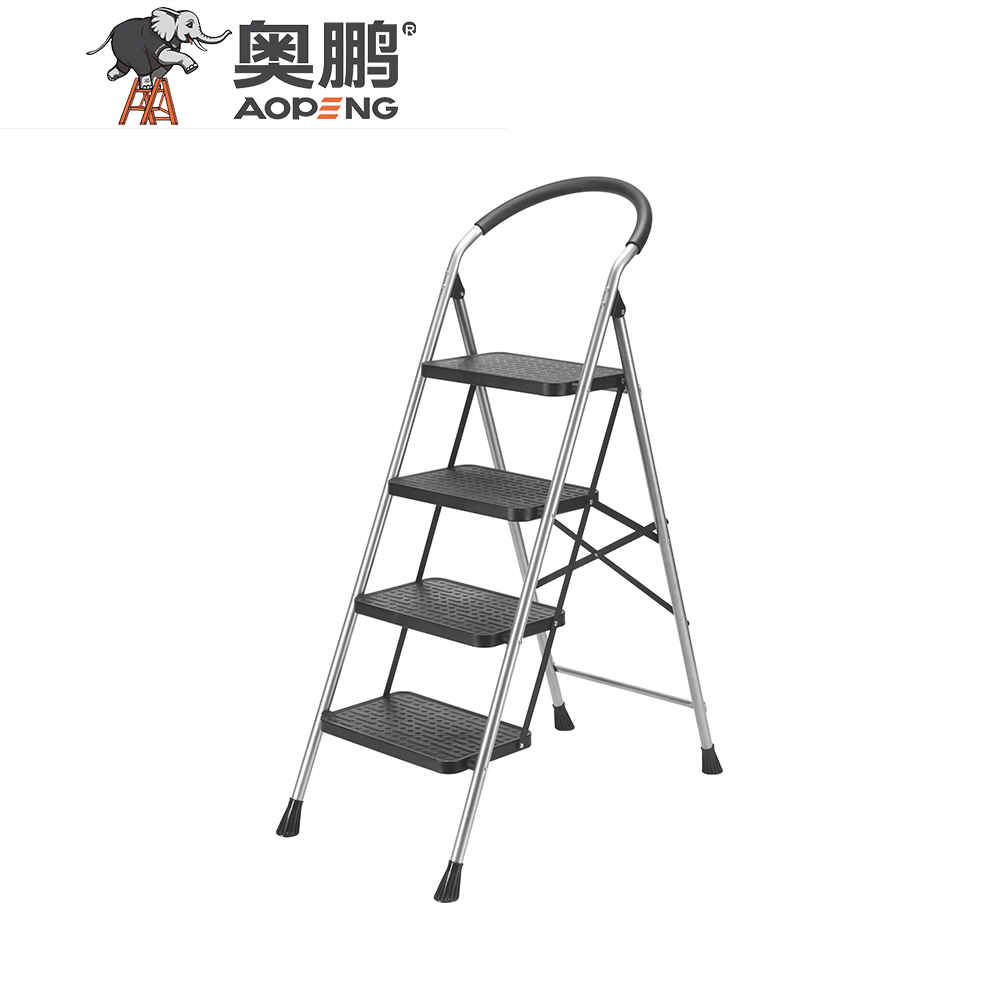
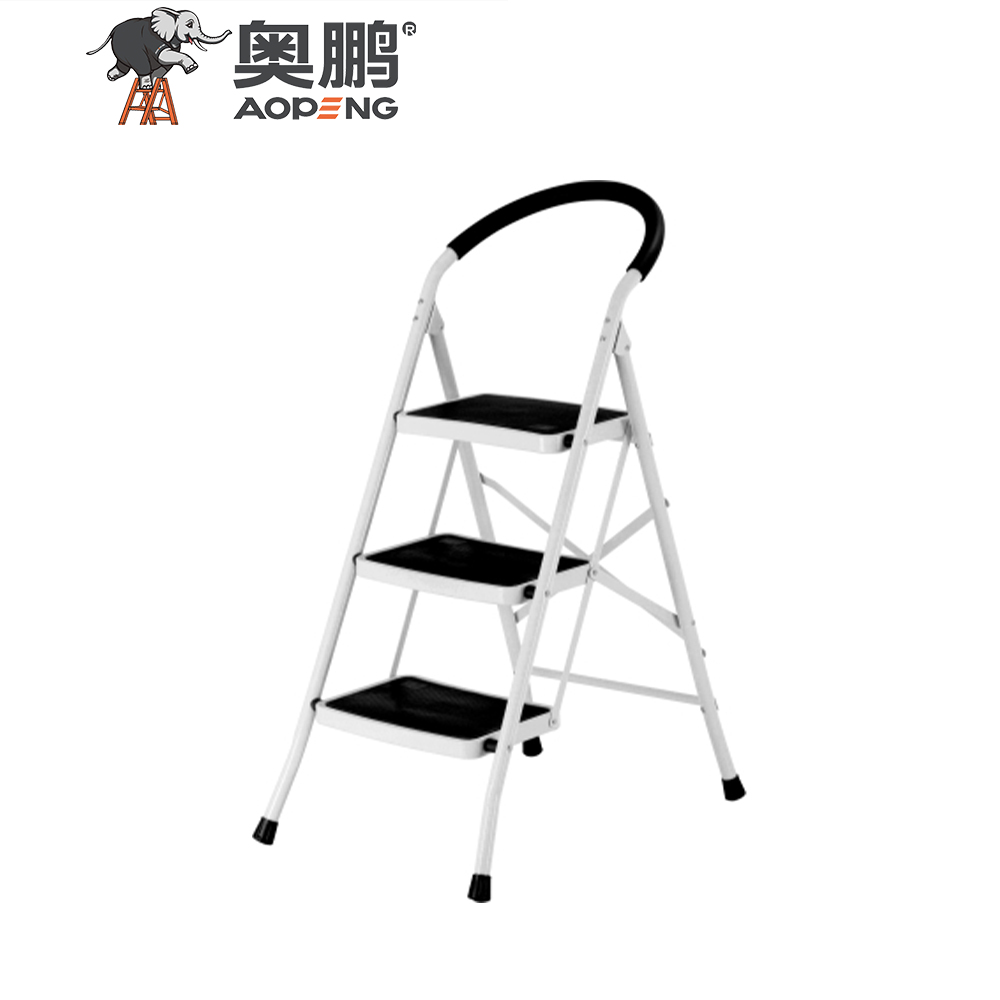
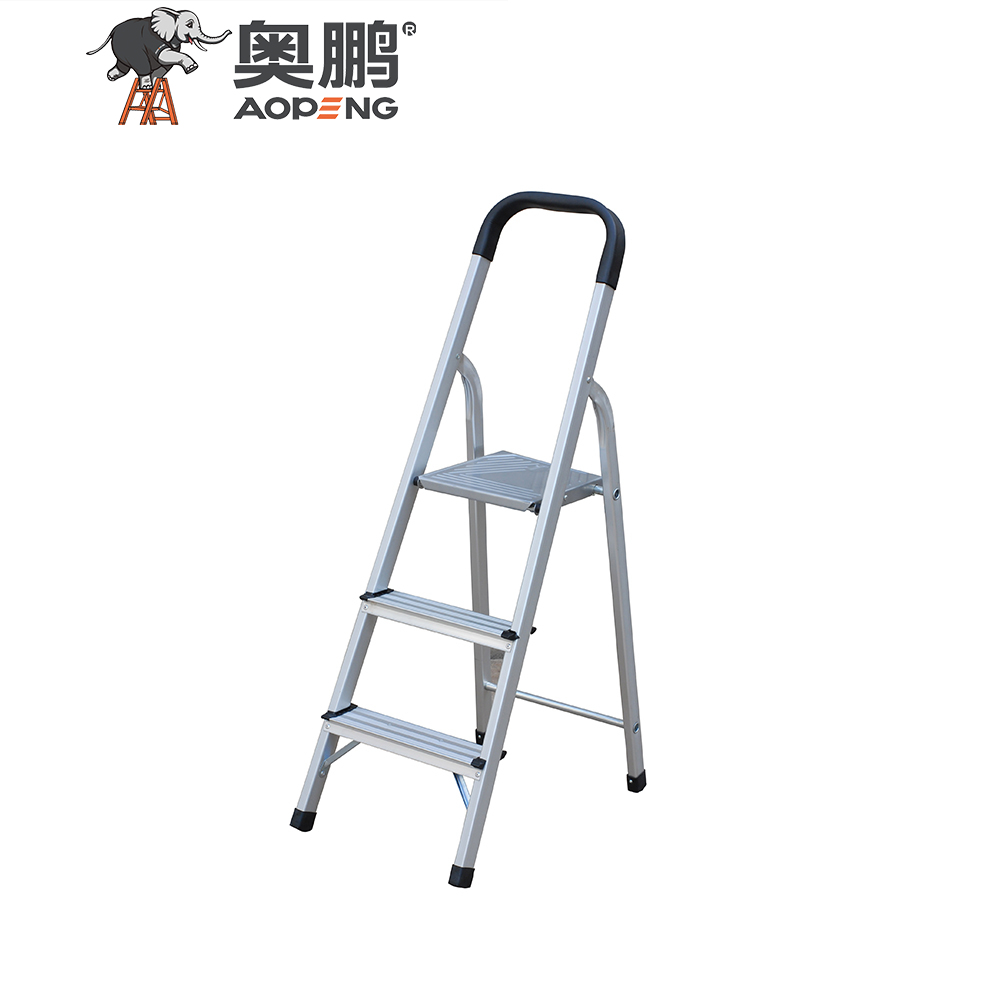
3 Step Steel Stool: The Utility Stool That's Also a Safety Tool
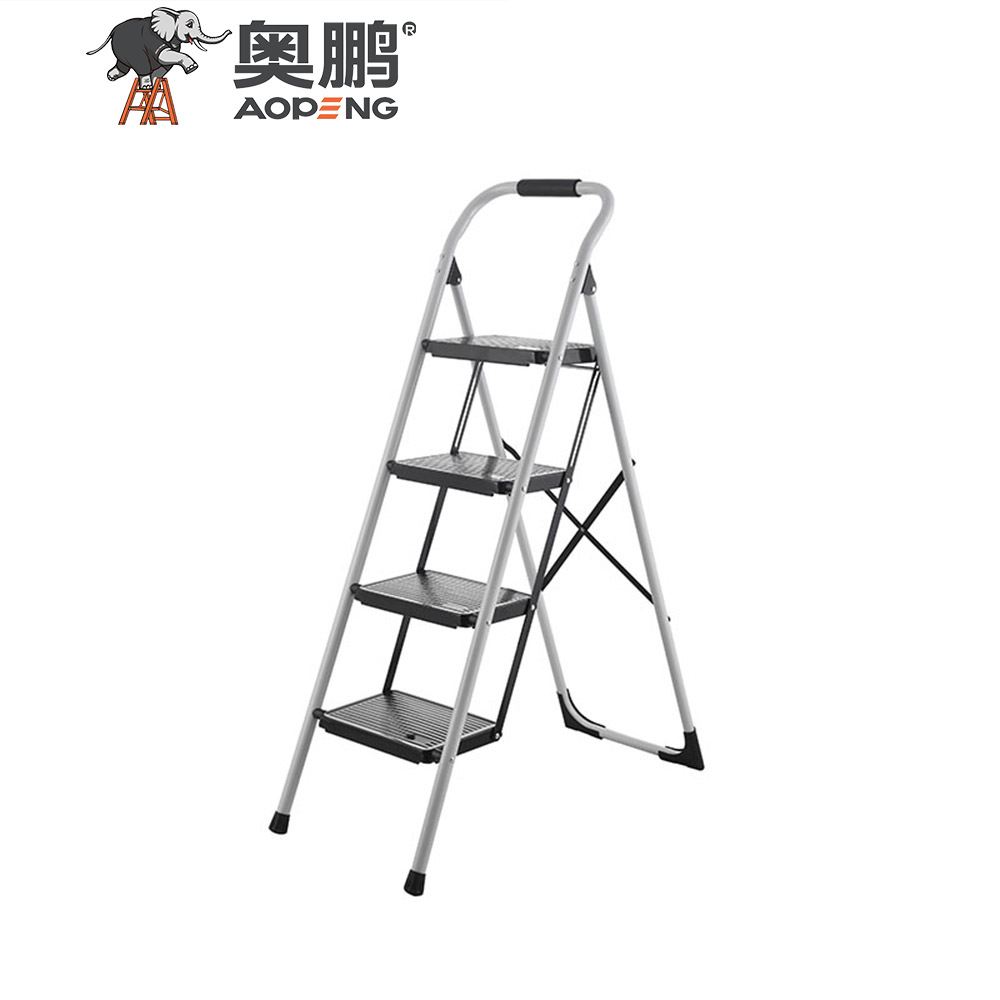
Walk into any warehouse or stockroom. You'll see them. Yellow or orange 3 Step Steel Stool . Workers climb them all day to grab boxes or change lights. Simple tool. But get it wrong and someone hits the floor.
What It Does
You step up three times. The top platform sits about 20 to 24 inches off the ground. From there you can reach stuff up to ten feet high without hauling out a ladder.
Unlike a folding ladder, this stool stands on its own. No leaning. No wobble when you shift your weight. That's why warehouses keep them around. You don't set one up. You just step on and go.
Why Steel
Aluminum bends under heavy loads. Plastic cracks in UV and chemicals. Steel doesn't sag, doesn't crack at the welds, and takes the bumps from passing carts. A 3 step steel industrial stool holds 300 to 500 pounds without flexing. That matters when a worker carries a box of parts up and down all shift. Steel also doesn't burn. In shops with sparks, that's not a small thing.
The Parts That Count
- The steps have to grab boots. Perforated metal, diamond plate, or grit tape. Each step runs six to eight inches deep. Wide enough for a full foot, not just toes.
- The top platform gives you room for both feet. A raised lip along the back tells you when you're at the edge.
- The legs flare out wider than the steps. That spread base keeps you stable when you reach sideways. Rubber feet on the bottom grip the floor and adjust to uneven concrete.
How They're Built
Steel tube gets cut, bent into side frames, and welded at the corners. The factory uses jigs to keep everything square. After welding, the frame goes through a cleaning bath to strip oil and scale. Then powder coating—baked-on paint that resists chips and rust. Steps and rubber feet go on last. Final inspection checks welds, levelness, and stability.
Where They're Used
- Warehouses. Workers grab them for mid-level racks. A 3 step steel rolling stool with casters is common. Wheels lock when you step on, unlock when you step off.
- Retail stockrooms. Employees restock shelves between customers. Lighter versions get moved around easily.
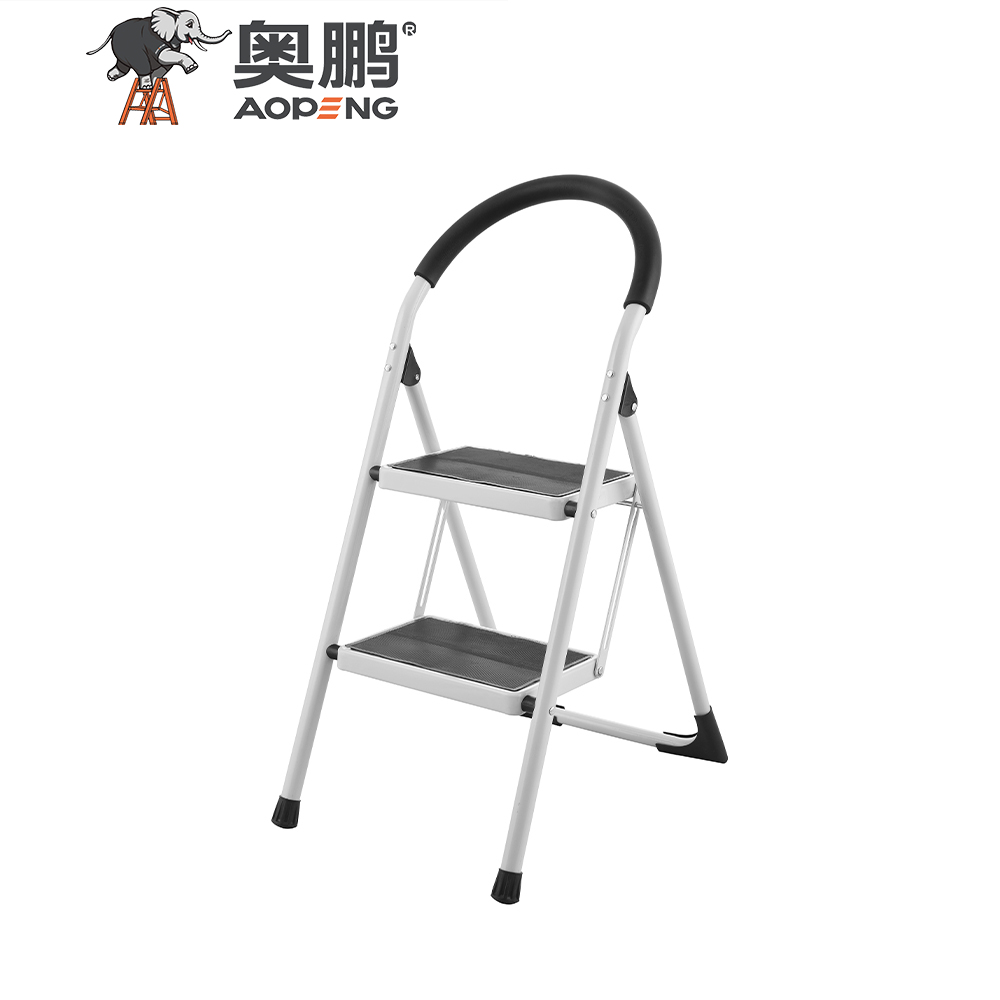
- Maintenance. Changing light tubes or adjusting signs. A commercial 3 step steel stool with a top handrail is often spec'ed.
- Garages. DIYers and mechanics pull one out to reach engine bays or tool cabinets.
Steel vs. Aluminum vs. Plastic
Aluminum flexes more and costs more per pound of capacity. Plastic breaks down in sunlight and chemicals. Steel handles daily abuse and stays straight. A three-step steel industrial stool handles a worker plus whatever they're carrying. For a home garage, aluminum or plastic might work. For a facility where people step up dozens of times a day, steel is what lasts.
What to Look For
- Weight rating printed on the stool. 300 pounds minimum for commercial use.
- Step depth that fits work boots.
- Slip-resistant tread. Non-negotiable.
- Smooth, consistent welds. Not spattered or incomplete.
- Powder coating on all surfaces, including undersides.
- Base that stays planted when you lean.
- Thick, replaceable rubber feet.
What a Good Factory Does
Good factories test each design at rated load and beyond. They weld in jigs so every stool comes out square. They mark capacity and compliance on each unit. They offer options—lockable casters, handrails, custom colors. A commercial 3 step steel stool with non-slip steps in safety yellow is the industrial standard.
A three-step steel stool is a simple tool. But it's also a safety device. The steps need to grip. The frame needs to hold. The base needs to stay flat. Factories that get these right make stools that last. Those that don't make hazards. Choose the ones that treat weld strength, tread grip, and base stability as seriously as the people who climb those steps every day.